
Blog Content:

In the world of scientific research and industrial testing, the quality of your laboratory equipment can make or break your operations. Whether you run a testing lab, a research center, a school science lab, or an industrial QC department, partnering with the right laboratory equipment supplier is a strategic decision that impacts accuracy, efficiency, and compliance.
Here are 7 key factors to consider when choosing a lab equipment supplier:
1. Product Range and Specialization
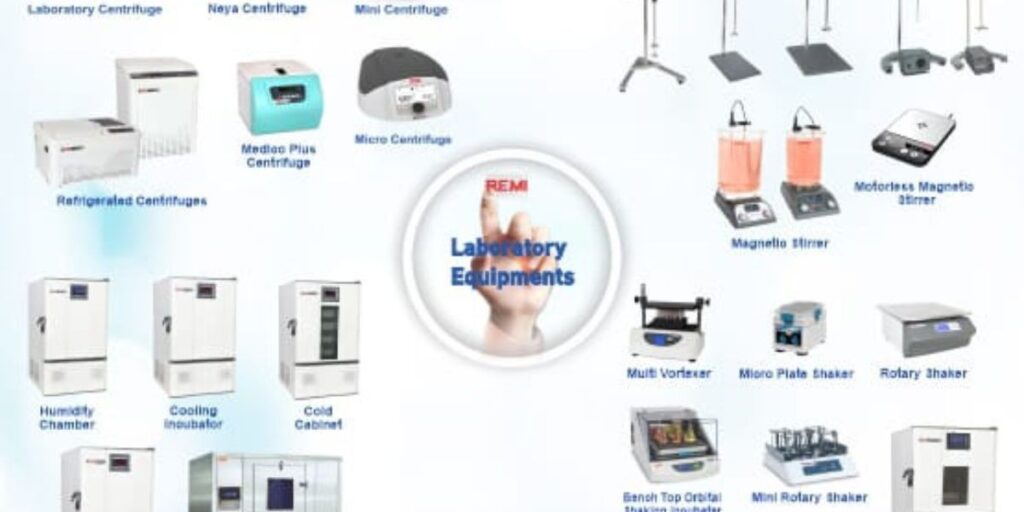
A good supplier should offer a wide range of equipment—from basic lab essentials like microscopes, glassware, and centrifuges to specialized instruments like spectrophotometers, autoclaves, and analyzers. Ensure the supplier caters to your specific industry—be it pharmaceutical, educational, biotech, or industrial R&D.
Tip: Look for suppliers who specialize in your field, as they’ll have a better understanding of your unique needs.

2. Quality and Certification
The precision and durability of lab equipment are non-negotiable. Always choose suppliers whose products come with international quality certifications such as ISO, CE, or ASTM standards. These certifications are a mark of compliance and reliability.
3. After-Sales Support and Service
Lab equipment needs regular maintenance and occasional troubleshooting. Ask whether the supplier offers installation, training, calibration, and on-site service. Strong after-sales support reduces downtime and protects your investment.

4. Reputation and Customer Reviews
Reputation matters. Research the supplier’s history, client base, and read testimonials or reviews. A supplier trusted by established institutions is likely to deliver dependable service.
5. Customization and Scalability
If your lab has unique needs, you may require customized solutions or modular equipment that can grow as your lab expands. A responsive supplier should be able to offer tailored configurations.

6. Delivery Time and Logistics
Delays in equipment delivery can hold up entire projects. Inquire about the supplier’s delivery timelines, inventory levels, and logistics capabilities—especially if you need imports or specialized instruments.
7. Pricing and Warranty
While pricing is important, it should never compromise quality. Choose value over the lowest cost, and always confirm warranty terms and conditions. Some suppliers also offer rental or leasing options which may be more cost-effective for short-term projects.
Conclusion
Selecting the right laboratory equipment supplier is not just about buying instruments—it’s about building a long-term relationship that supports your lab’s growth and goals. At Vijay Enterprises, we help institutions and industries across India access world-class scientific and lab solutions with trust, transparency, and technical expertise.
If you’re setting up a new lab or upgrading your existing infrastructure, feel free to contact us for a consultation or customized quote.
Let me know if you’d like this adapted for SEO, or customized with your business name, product catalog, or contact details.